About
The container was built by someone who needed one.
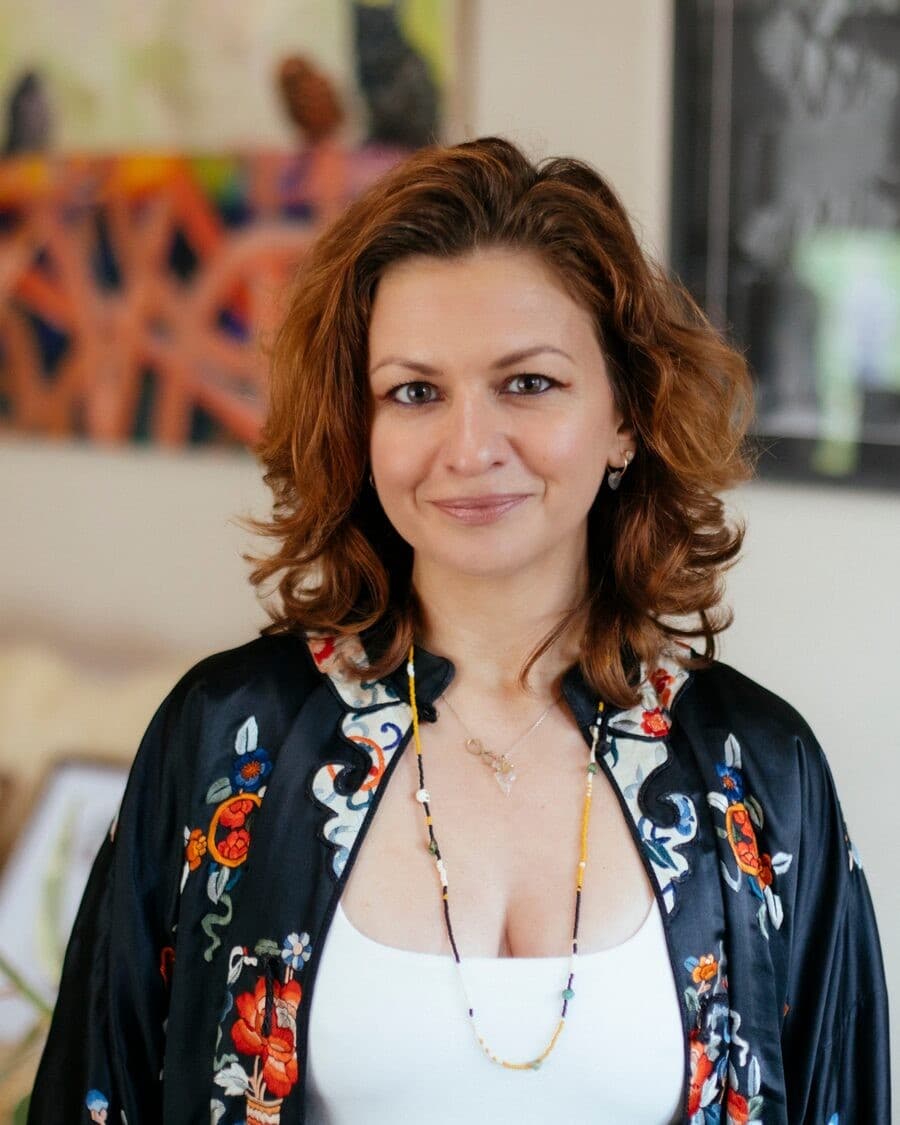
I'm Dr. Victoria Sterkin — behavior analyst, therapist, integration specialist, and above all else, a helper. The Infinity Container is the space I spent twenty-five years learning how to build.
My story
How I got here.
We are living in a crisis of unintegrated time — a world that keeps us fragmented, living in the past, and disconnected from the present. My own path to understanding this began with a talk by Dr. Dan Siegel at the former Blue School in lower Manhattan, where I was consulting at the time. He spoke about interpersonal neurobiology — about integration as collaborative communication between the parts of yourself, your body, and the larger Earth body. About what he now calls MWe: a sense of oneness. Something clicked into place I've never been able to unsee. Fragmentation is at the root of dysfunction. Personal, biological, social — all of it.
I started seeing integration opportunities everywhere. In grief. In role changes. In transformative moments and psychedelic journeys.
And in myself. I was a young behaviorist then, working with children — and in doing that work, I began to update my own developmental holes, the ones that opened around age six, when my mother died. Riding the subway between clients' homes and schools, I began to feel the in-between itself — the shift, the time it takes to shift, the awareness it takes to transform — and how the digital age was quietly taking that time from us.
We stopped digesting life.
We became trapped in a thinking mind that dictates reality, disconnected from the body that holds a more accurate reading of the present truth. Fragmentation causes overwhelm, burnout, dissociation, abuse, pain, disease, war, scarcity. We cut ourselves off from what's here, and often live inside a program written in the past.
During COVID, that awareness became urgent. We needed something to better help people manage the new version of chaos life brought forward — and particularly a way to help buoy the helpers. The mushrooms came to me in my dreams, and I answered the call. I helped create a psychedelic company focused on microdosing — building a practitioner program, weekly trainings, and a curriculum certifying practitioners to help their clients work with the medicine.
When I left that business, I saw a profound gap. Integration had become a buzzword — but no communities were offering the containment, consistency, and support the work actually requires. I hadn't seen a program that names the capacities needed to integrate more fluidly with life.
I didn't just come to this work as a facilitator; I came to it as a behaviorist. Training with Dr. R. Douglas Greer taught me to think about human development not as a list of skills to teach, but as the induction of whole repertoires of capacity. The capacity, not the skill.
So I built The Infinity Container. I was grieving many aspects of my life at the time and started paying closer attention to what I was needing to integrate. I needed a Salon, to listen to others and be heard. A practice space not to verbally process, but to feel the capacities I needed to grow. A practitioner's lab that could be both laboratory and playground. A container that was flexible but consistent, and an ecosystem that could hold the helpers, too.
After decades of building these capacities with clients, what I found missing was a way for the nervous system to trust the bottom-up processing of life again. To trust the magic of the body — and its place in something larger. Our society relentlessly orients us toward the myopic top-down — the cognitive, the psychological — and the pace of modern life doesn't support anyone's growth toward a more integrated state. Watching what people move through with entheogens and integration, and what I moved through myself, has been like watching years of therapy get digested into the body in a matter of weeks. The entropic state of the journey moves us from the thinking mind down into the felt experience of awake aliveness.
Grief has always done this to me too.
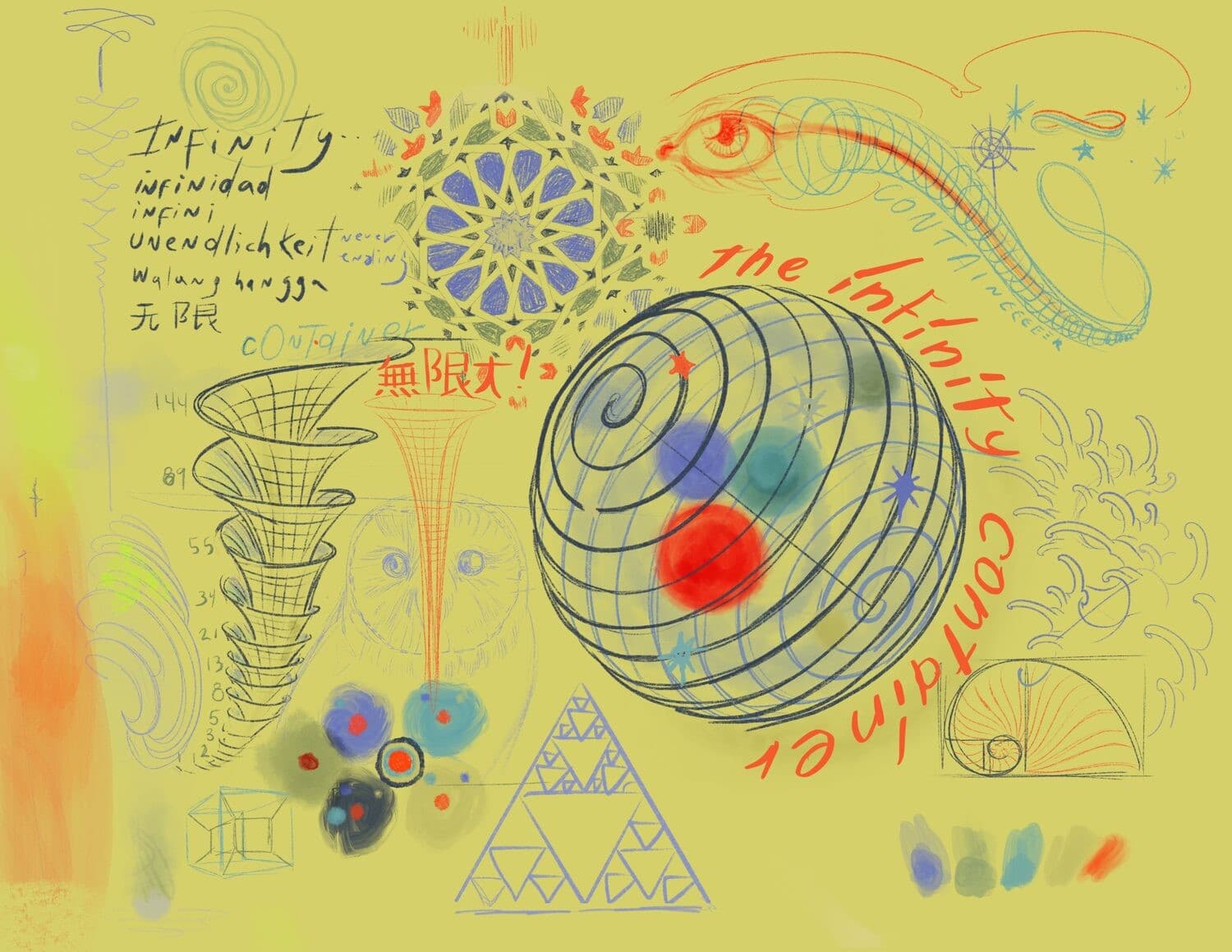
A page from Edu's sketchbook, imagining the container before it existed.
Training & lineage
Where the work comes from.
The Solar-Lunar Framework didn't come from one tradition. It was built at the intersection of several — held to the standard of each.
My doctoral training in behavior analysis at Teachers College, Columbia University taught me how capacities are actually built: not through insight alone, but through practice, repetition, and the right conditions for change. Twenty-five years of clinical work taught me what the textbooks couldn't — that the body keeps its own counsel, and that transformation that ignores it doesn't last. My fairy godmother, clinical psychologist Dr. Joyce Wyden, taught me to see all human development as relational — starting in utero — so that our pasts can be resolved through awareness, comfort, and learning new sequences of behavior.
The framework draws on verbal behavior science, somatic and body-based practice, interpersonal neurobiology, and contemplative traditions — woven into a system designed for one thing: helping experience become capacity.
- PhD in Applied Behavior Analysis and two master's degrees, Teachers College, Columbia University
- 25 years of clinical experience as a behavior analyst and therapist
- Published peer-reviewed research; speaker at scientific and educational conferences
- Co-host of Ghost Stories, a podcast about grief and surviving the inevitable
- Co-creator of a microdosing practitioner program
- Teaching faculty within Dr. Mindy Pelz's Reset Academy
- Founder, The Infinity Container

Integration
is the way

Why the Infinity Container
Built for the people who hold everyone else.
Twenty-five years of clinical work showed me a pattern I couldn't unsee: the practitioners, healers, and helpers doing the most holding were the least likely to be held themselves. They gave endlessly and received rarely — not because support didn't exist, but because nothing was built for the way they actually needed it.
"For the helpers, healers, and holders of space — a community built to hold you back."
The Infinity Container is that structure: an ongoing practice community where integration is lived rather than studied, where the framework holds the rhythm, and where the people who spend their lives showing up for others finally have a place that shows up for them.
The people
The hands that build the container.

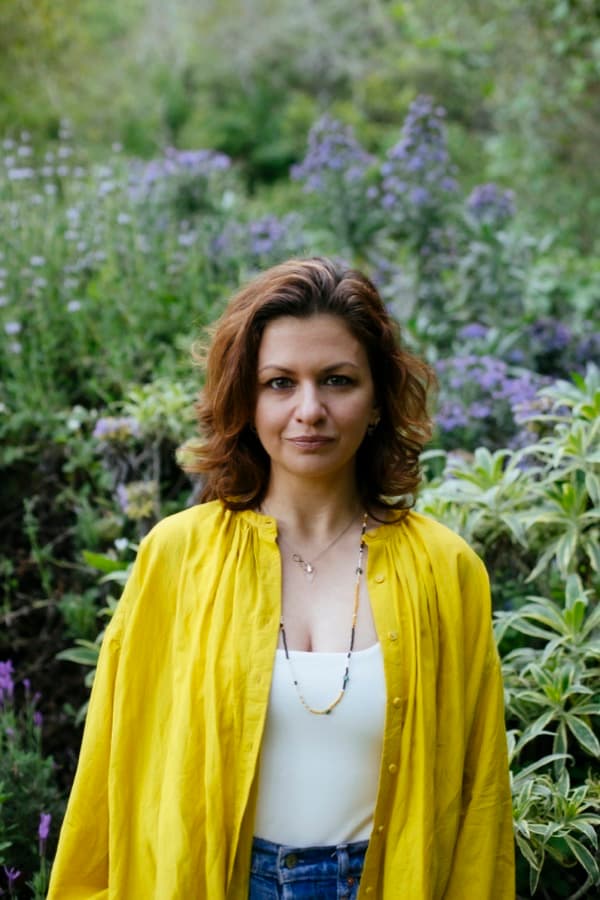
Founder & Creator
Behavior analyst, therapist, and integration specialist. Victoria designs and holds every practice, theme, and program inside TIC.
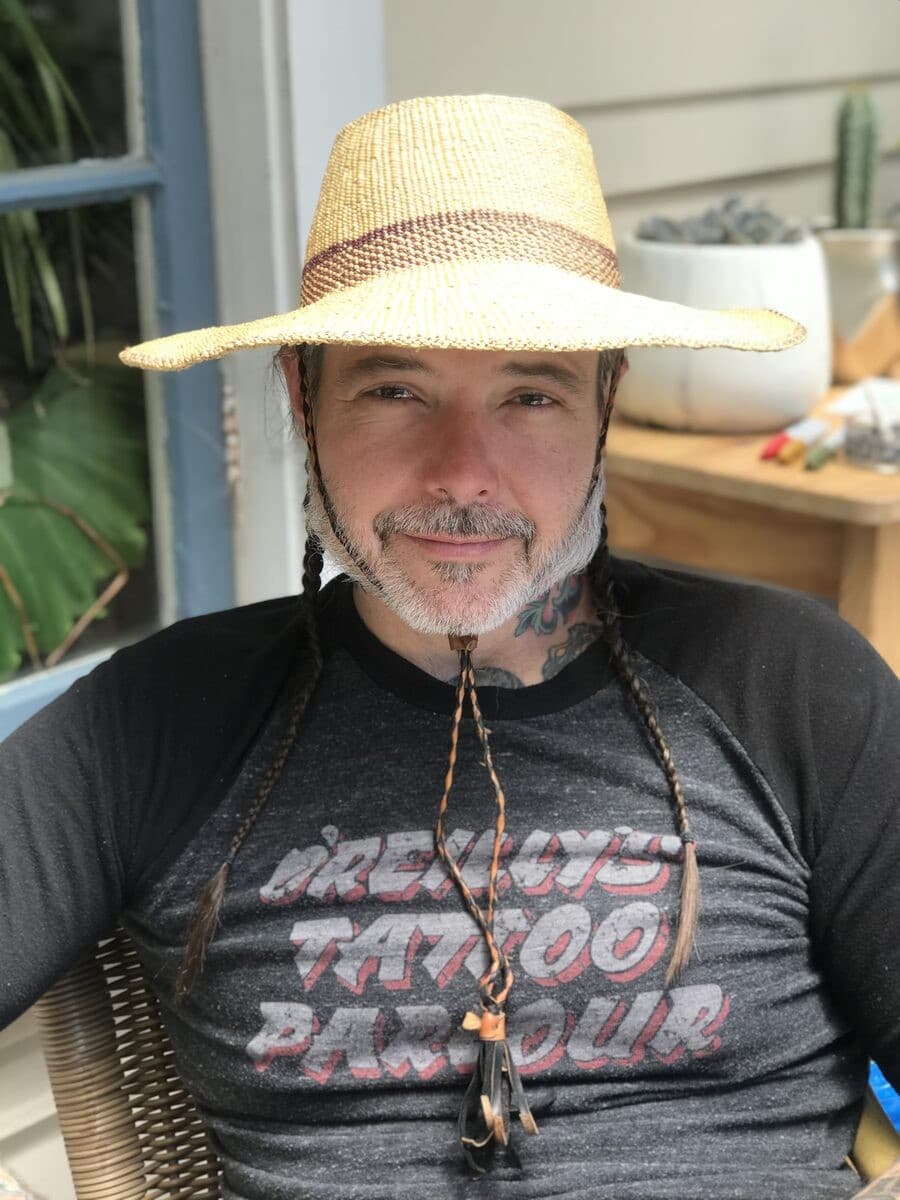
Artist
Every capacity in the Solar-Lunar Framework has a face because Edu drew it one. His artwork gives the practice its visual language.

Meet us before you join anything.
Once a month, we gather for a free community call — open to anyone curious about the work. Join the free membership and the call link is yours.
About the Community Call →